Warehouse rodent control in Greensboro & High Point, NC
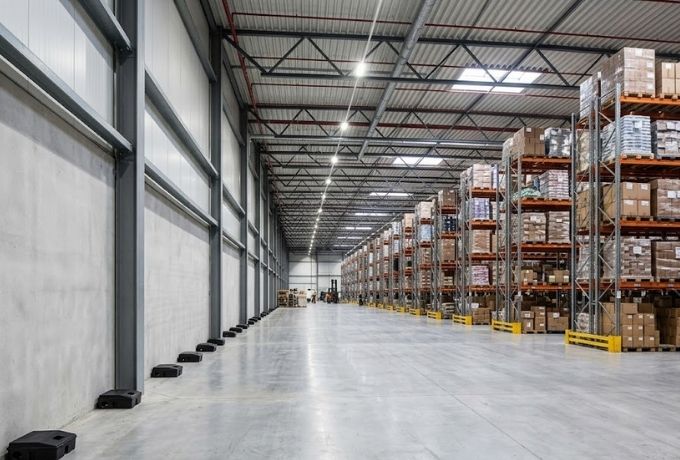
Industrial and distribution warehouse facilities along Greensboro's I-40/I-85 corridor face a specific rodent dynamic that residential programs aren't designed for — loading docks that open repeatedly for extended periods, pallet storage harborage, storm-drain adjacency along facility perimeters, and product-contamination risk that makes documentation as important as treatment. We build programs around the dock, the perimeter, and the product — in that order.
Where rodents enter and establish in Greensboro-area warehouses
Loading docks — primary vector
Dock-door brush seals age and separate. Dock levelers create consistent floor-level gaps. Extended dock-door open periods during receiving let Norway rats walk directly in. Dock-side dumpsters within 20 feet create a resident rat population that treats the dock as a food-and-shelter corridor. Dock assessment is visit one — everything else follows.
Pallet storage — interior harborage
Stacked pallets offer protected harborage for both Norway rats (ground-level cavities) and roof rats (elevated platforms). Product stored directly on pallets that contact walls is most vulnerable. A standard warehouse rodent protocol: 18-inch clearance from all walls, pallets elevated 12 inches off the floor, and no product storage in blind corners.
Storm-drain adjacency — perimeter pressure
Warehouses along the I-40/I-85 corridor in Greensboro and the furniture-market district in High Point sit adjacent to storm-drain infrastructure that supports large Norway rat colonies. After heavy rain events, drain populations displace toward surface structures. Perimeter bait-station density near storm-drain outfalls should be higher than the general perimeter rate.
Vegetation and debris — buffer zones
Unmaintained vegetation strips along facility perimeters, accumulated debris near the foundation, and outdoor break areas with food waste all sustain rodent populations immediately adjacent to the building. Vegetation within 3 feet of the foundation should be cleared; debris removed. We flag these in our annual perimeter assessment.
How a warehouse rodent program works
Facility walkthrough
Walk the dock area, loading bays, pallet storage zones, mechanical rooms, exterior perimeter, and storm-drain adjacency. Map rodent pressure points, entry vectors, and harborage conditions. Produce a written assessment before quoting any work.
Perimeter bait-station installation
Install tamper-resistant exterior bait stations at the perimeter rate appropriate for facility size and pressure level — typically every 50–75 linear feet plus additional stations at all dock entries and storm-drain adjacency. Numbered station map provided.
Dock exclusion assessment
Assess dock-door brush seals, dock levelers, dock bumpers, and dock-plate gaskets. Provide written recommendations for exclusion improvements. We don't perform dock-door installation work ourselves, but we document exactly what needs addressing and why.
Monthly monitoring
Monthly visit — inspect and replenish all stations, document consumption by station number, note any interior activity or new pressure points. Service log updated and emailed after each visit. Quarterly trend report flagging elevated stations provided.
Warehouse rodent problem in Greensboro or High Point? Call (844) 635-0403
Free facility walkthrough and written assessment. We build the program around your dock, your perimeter, and your documentation requirements.
Call (844) 635-0403Rodent pressure in High Point showrooms and storage facilities
High Point's furniture market creates a specific rodent pressure cycle that warehouses and showrooms in the district deal with twice annually. Long-dormant showroom space that opens for spring (April) and fall (October) market draws Norway rats that have been undisturbed in pallet storage for months. Receiving dock activity intensifies significantly during market setup weeks, keeping dock doors open for extended periods during peak Norway rat pressure season.
High Point furniture market facilities benefit from a pre-market service visit 3–4 weeks before each market opening — full perimeter inspection, dock assessment, interior sweep for new activity, and bait-station service. We schedule these proactively for market-district accounts. Call (844) 635-0403 to set up a High Point account.
Warehouse rodent control cost in Greensboro & High Point
Initial setup
Walkthrough, station installation, initial treatment, dock assessment, and monitoring map. Price by facility size and dock count.
Monthly monitoring
Station inspection and replenishment, service log, quarterly trend report. Rate by station count and visit duration.
Pre-market service
High Point market-district facilities — pre-market inspection and treatment visit 3–4 weeks before market opening.
Large distribution center
Facilities over 200,000 sq ft or with 10+ dock doors. Quoted after walkthrough. Multi-facility accounts welcome.
All warehouse programs include bait-station map, service log, and product documentation. Free facility walkthrough — quoted before any work starts.
Warehouse rodent control — FAQ
Why are loading docks the primary rodent entry point in Greensboro warehouses?
Loading docks create a unique rodent-entry environment: dock plates and levelers leave consistent floor-level gaps, dock doors are opened repeatedly and left open during extended loading operations, dock bumpers age and separate from the foundation, and dock-side dumpsters create harborage and food sources immediately adjacent to the entry point. Norway rats that colonize dock-side areas have frictionless access to the building interior when dock doors open. Sealing the dock perimeter is the single most effective warehouse rodent prevention measure.
How do rodents get into pallet storage areas in Greensboro warehouses?
Stacked pallets provide nesting sites protected from foot traffic. Rodents enter pallet storage through dock entries, loading bays left open, and floor-level gaps at fire-door frames and roll-up door thresholds. Product stored directly on pallets that touch the ground or walls is particularly vulnerable. A standard protocol: 18-inch clearance from walls and 12-inch elevation on product storage.
What monitoring documentation do you provide for warehouse accounts?
Warehouse monitoring programs include a bait-station map, a service log updated after each visit with station-by-station consumption and activity notation, a quarterly trend report flagging elevated stations, and product data sheets for all rodenticides in use. For facilities with food product or FDA-regulated materials, we can provide documentation formatted to support third-party food safety audits.
How many bait stations does a Greensboro warehouse need?
A general guideline is one tamper-resistant exterior station per 50–75 linear feet of perimeter, plus additional stations at every dock entry and storm-drain adjacency. A 50,000 sq ft warehouse with 4 dock doors might require 20–30 exterior stations. We provide a site-specific station count with justification after a perimeter walkthrough.
How much does warehouse rodent control cost in Greensboro?
Initial treatment — perimeter bait-station installation, dock assessment, and any immediate exclusion work — typically runs $800–$2,500 depending on facility size and dock count. Ongoing monthly monitoring programs range from $250–$600/month. Large distribution centers are quoted after a walkthrough.