Rat control services in Greensboro, NC
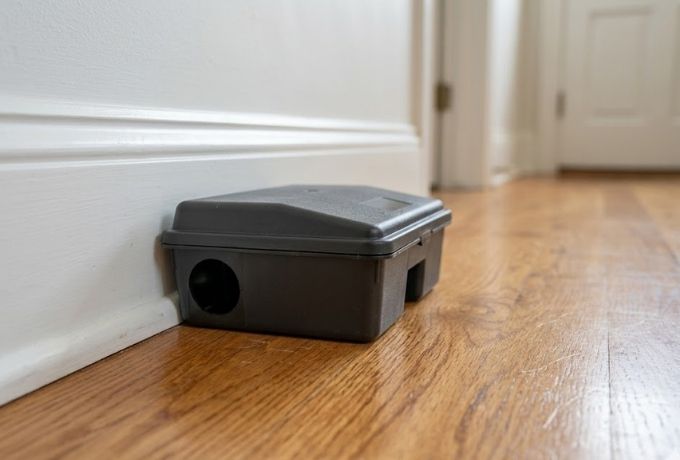
Norway rats in your crawl space. Roof rats in your attic. Both are active year-round in Guilford County, and both need a different treatment approach — from the traps we set to the materials we use to seal entry points. Greensboro Rodent Control handles both species, identifies which one you have at the inspection, and builds the program around your specific property.
Greensboro has two rat species — they require different treatment
Norway rats and roof rats coexist in Greensboro because the city's environment supports both. Norway rats exploit the crawl-space housing stock in older neighborhoods like Aycock, College Hill, Westerwood, and Kirkwood — they're ground-dwellers that burrow, follow storm-drain lines, and enter homes from below. Roof rats exploit the mature hardwood canopy in Irving Park, Fisher Park, Sunset Hills, and Old Irving Park — they travel overhead, drop onto rooflines, and enter attics through aging soffits and gable vents.
In some properties — particularly older Greensboro homes with both crawl-space foundations and tall oak canopy — we find both species operating at the same time, at different levels of the building. That's a specific inspection outcome that changes the treatment plan significantly.
Norway rat (Rattus norvegicus)
- Size
- 10–12 inches body, heavy build
- Tail
- Shorter than body, bi-colored
- Where in Greensboro
- Crawl spaces, burrows, sewer adjacency, alleys, dumpster areas
- Entry points
- Foundation gaps, deteriorating vent screens, pipe penetrations below grade, utility-line entries
- Peak season
- Year-round; fall entry spike as outdoor food sources drop
- Treatment focus
- Ground-level bait stations, snap traps in crawl space, full foundation exclusion sealing
Roof rat (Rattus rattus)
- Size
- 7–10 inches body, slender build
- Tail
- Longer than body, uniformly dark
- Where in Greensboro
- Attics, tree canopy, soffits, gable vents, roof edges
- Entry points
- Gable-vent gaps, soffit returns, ridge-vent openings, tree-limb-to-roofline contact
- Peak season
- September–December (canopy migration); spring secondary spike
- Treatment focus
- Attic trap network, canopy-trim recommendation, soffit and gable-vent exclusion sealing
How rat control works at your Greensboro property
Every rat job follows the same four-phase framework — calibrated to the species we identify and the specific layout of your property.
Full property inspection
Walk the interior, attic, crawl space, and exterior perimeter. We identify species, entry points, travel paths (runways), droppings concentration, and estimated population size — all before we recommend anything.
Species-specific treatment
Norway rat: ground-level snap traps and tamper-resistant bait stations in crawl space and perimeter. Roof rat: attic snap-trap network, elevated bait stations, overhead-entry-point identification. Both: we place traps before sealing so no rats are trapped inside.
Entry-point sealing
Rodent-grade exclusion — hardware cloth, galvanized mesh, expandable foam with embedded mesh, vent caps. We seal after confirming the population is clear, so no rats get walled in. Written seal-point documentation included.
Follow-up & confirmation
A follow-up visit 10–21 days after initial treatment to confirm trap activity has stopped, seal the remaining entry points, and clear any dead rodents. We don't close a job until the follow-up confirms no new activity.
Why rat calls are concentrated in specific Greensboro neighborhoods
Rat pressure in Greensboro isn't evenly distributed. It concentrates where environmental conditions favor specific species — and understanding that geography helps us respond faster and more accurately.
Norway rat hotspots follow the older housing stock and storm-drain infrastructure. The Elm Street and South Elm restaurant corridor generates sustained Norway rat pressure that radiates outward into Southside and adjacent residential blocks. Properties adjacent to storm-drain outfalls in Kirkwood, McAdoo Heights, and Fairview Homes see Norway rats using the drainage infrastructure as a travel network. In College Hill and Westerwood, the combination of dense student-rental housing, irregular garbage schedules, and aging crawl-space foundations creates conditions that sustain rat populations year-round.
Roof rat hotspots track the mature hardwood canopy. The Irving Park–New Irving Park–Old Irving Park corridor is the highest-volume roof-rat service area in Guilford County. The oak and maple canopy across Fisher Park, Latham Park, Sunset Hills, and Hamilton Lakes provides the aerial network roof rats need. When Greensboro's urban forestry department trims canopy after storm damage, we typically see a secondary spike in roof-rat calls as displaced populations redistribute.
Properties in the transition zones — particularly those in Glenwood, Green Valley, and Lake Daniel that sit under partial canopy cover with crawl-space foundations — occasionally see both species. That's the most complex inspection scenario we encounter, and it requires a treatment plan that addresses both vectors simultaneously.
Rat in your Greensboro home? Call (844) 635-0403
Free inspection across Guilford County. We identify the species, find every entry point, and give you a written quote before touching anything.
Call (844) 635-0403Rat control cost in Greensboro — honest ranges
These are real price ranges based on typical Greensboro jobs, not teaser rates. Actual cost depends on property size, infestation severity, species, and number of entry points. Free inspection includes a written quote — no surprises.
Single-visit treatment
Contained rat problem, limited entry points, one visit with trapping and minor sealing. Typical for early-detection calls.
Norway rat program
Multi-visit crawl-space program with full foundation exclusion sealing. Price scales with crawl-space size and number of penetrations.
Roof rat program
Attic trap network, gable-vent and soffit sealing. Upper range for large attic footprints and complex rooflines.
Dual-species program
Both Norway and roof rat active simultaneously. Full attic and crawl-space treatment with complete exclusion sealing.
All programs include the initial inspection, treatment, follow-up visit, and written seal-point documentation. Attic cleanup and insulation replacement, if needed, are quoted separately after inspection.
Rat control in Greensboro — FAQ
How do I know if I have Norway rats or roof rats in my Greensboro home?
Norway rats are heavy-bodied — about 10–12 inches — with blunt noses and tails shorter than their bodies. They live at ground level: crawl spaces, burrows, and sewer-adjacent areas. Roof rats are slender, 7–10 inches, with pointed noses and tails longer than their bodies. They prefer height — attics, trees, and soffits. In Greensboro, Norway rats are more common in older central neighborhoods with crawl-space foundations; roof rats concentrate in canopy-heavy areas like Irving Park, Fisher Park, and Sunset Hills.
How long does rat control take in Greensboro?
A small, contained rat problem — a single Norway rat that entered through a crawl-space gap — can often be resolved in one visit with trapping and sealing. An established roof rat colony in an attic typically takes 2–3 visits over 2–4 weeks: initial treatment, a follow-up to confirm traps have cleared the population, and a final exclusion seal. We don't call a job complete until there's no new activity on follow-up.
Do rats carry diseases in North Carolina?
Yes. Norway rats in North Carolina are documented carriers of leptospirosis (spread through urine contamination of water or soil), rat-bite fever, and salmonella. Roof rats can carry similar pathogens and are also implicated in Hantavirus cases in rural areas. The most common exposure vector in homes is indirect — contaminated droppings and urine in crawl spaces and attics, not direct rat contact. This is why exclusion and cleanup matter as much as the population elimination itself.
Will rats come back after treatment?
They can, if entry points aren't sealed. Trapping alone removes the current population but leaves the entry open for the next one. Our programs always include exclusion sealing — we close every entry point with rodent-grade materials before calling the job done. For properties with ongoing pressure (restaurant adjacency, active storm-drain corridors, dense canopy), we recommend a follow-up inspection 90 days post-treatment.
How much does rat control cost in Greensboro?
A single-visit inspection and treatment for a contained rat problem typically runs $250–$550. Full Norway rat programs with crawl-space exclusion sealing range from $700–$1,600 depending on foundation type and the number of entry points. Roof rat programs with attic exclusion range from $800–$2,000 for most Greensboro homes. Free inspection includes a written quote before any work starts.