Apartment & property management rodent control in Greensboro, NC
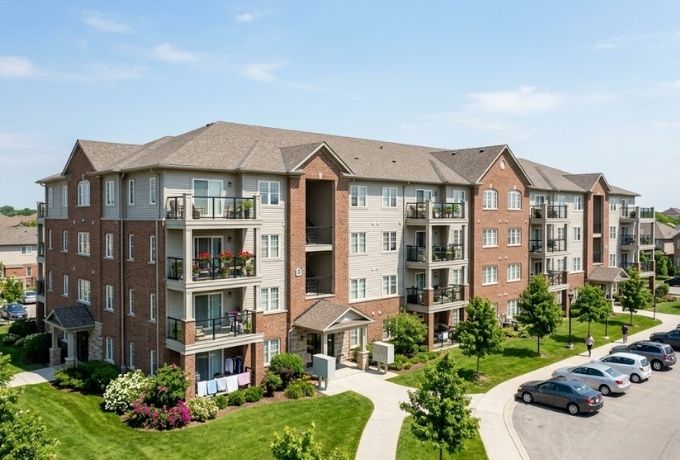
Greensboro landlords and property managers face rodent problems that don't fit a residential service model — tenant notice requirements, multi-unit coordination, turnover inspection timelines, NC habitability law obligations, and documentation that protects against tenant claims. We built our property management program around those operational realities, not around residential treatment protocols.
The UNCG corridor and Greensboro's high-turnover rental market
When a tenant vacates a 1940s bungalow in Westerwood and a new tenant moves in six weeks later, whatever rodent entry points existed during the prior tenancy remain open — and often worsen if the unit sits vacant in fall when rodent pressure peaks. A pre-move-in inspection isn't just good property management practice; it's evidence of habitability compliance and protection against the new tenant's claim that a pre-existing infestation existed when they moved in.
The same dynamic plays out across Greensboro's older rental stock — in the Aycock corridor near Bennett College, in the Fisher Park and Lake Daniel neighborhoods, and in the pre-war housing east of downtown. High annual turnover + aging foundation stock + fall rodent pressure = a predictable rodent pattern that property managers can get ahead of with a consistent inspection and treatment protocol.
What we provide landlords
- Pre-move-in unit inspection with written report
- Treatment of occupied units with proper tenant notice coordination
- Multi-unit building perimeter bait-station programs
- Portfolio-level documentation for property management records
- Written habitability-response documentation when treating after tenant complaint
- Same-day response for tenant-escalated rodent complaints
What we don't do
- We don't charge landlords for treatments tenants caused through harborage behavior — but we'll document it in writing
- We don't place interior rodenticide bait in occupied units with children or pets without explicit written consent
- We don't treat without proper notice to tenants per NC landlord-tenant law
- We don't provide opinions on legal liability — we provide facts and documentation that your attorney can work with
What a pre-move-in rodent inspection covers
Unit inspection
Walk the vacant unit — interior, kitchen and cabinet interiors, garage if attached, and accessible crawl-space entry. Document droppings, gnaw damage, entry points, and any evidence of prior infestation.
Entry-point assessment
Identify every active entry point — pipe penetrations, cabinet base gaps, weatherstripping gaps, crawl-space vent screens. Photograph and document each point. Quote sealing work separately.
Written inspection report
Dated, signed inspection report: current condition, evidence found (or not found), entry points identified, recommended action, and treatment scope if active infestation is present. Provided within 24 hours of inspection.
Treatment & re-inspection if needed
If active infestation is found, we treat before move-in and provide a clearance certificate. If the unit is clean, the inspection report documents that it was rodent-free at move-in — protecting you against future tenant claims.
Greensboro landlord or property manager? Call (844) 635-0403
We work with individual landlords and multi-property management companies across Guilford County. Single-unit calls and portfolio programs both welcome.
Call (844) 635-0403Property management documentation package
- Pre-move-in inspection report: Dated and signed, covering unit condition, evidence found, entry points identified, and action taken. Protects landlord against future tenant habitability claims.
- Treatment records: Every treatment visit logged — date, unit, technician, materials used, access method, and outcome. Available as an ongoing service log for each property.
- Habitability-response documentation: When treating in response to a tenant complaint, we provide a written record that the complaint was received and addressed with a specific date, scope, and outcome — usable as evidence of landlord responsiveness under NCGS § 42-42.
- Portfolio summary reports: Quarterly summary of all treatment activity across your portfolio — unit-by-unit, with activity flags for units requiring follow-up attention.
Property management rodent control cost in Greensboro
Turnover inspection
Pre-move-in inspection with written report for a single unit. Protects landlord against pre-existing infestation claims.
Treatment visit
Single-unit treatment for occupied or vacant unit. Includes coordination with property manager for tenant notice.
Building perimeter program
Multi-unit building exterior bait-station monitoring. Rate by building size and perimeter station count.
Portfolio account
5+ properties under active service. Volume pricing, centralized documentation, single point of contact.
All property management services include written documentation. Single-unit landlords and large management companies both welcome. Free consultation for new portfolio accounts.
Property management rodent control — FAQ
As a landlord, am I legally required to address rodent problems in Greensboro rental properties?
Yes. North Carolina landlords are required under the Residential Rental Agreements Act (NCGS § 42-42) to maintain rental premises in a fit and habitable condition, including keeping the premises free from rodents and insects. Failure to address a documented rodent infestation — after tenant notice — can expose landlords to lease termination rights, rent escrow, and civil liability. We provide written documentation of the inspection and treatment that serves as evidence of landlord response.
How do you handle rodent treatment when tenants are occupying the unit?
We coordinate with the property manager to give tenants required notice (typically 24–48 hours under NC law for non-emergency access). Treatment uses snap traps in inaccessible areas — inside cabinet bases, behind appliances, in crawl-space access areas — and exterior tamper-resistant bait stations. We do not place interior rodenticide bait in occupied units. Tenants don't need to leave during treatment.
Can you inspect a unit between tenants before move-in?
Yes — turnover inspections are one of our most-requested property management services. We inspect the vacant unit for droppings, gnaw damage, entry points, and evidence of prior infestation. We produce a written inspection report covering the unit's current condition, active entry points, and recommended treatment or exclusion work before the new tenant moves in. This report protects you against future tenant claims of pre-existing infestation.
Do you work with property management companies that have multiple Greensboro properties?
Yes. Portfolio accounts receive centralized documentation across all properties, coordinated scheduling with a single point of contact, and consistent service logs formatted for property management records. We service UNCG-corridor multi-unit portfolios and single-family rental portfolios across Guilford County. Volume pricing is available for accounts with five or more properties under active service.
How much does property management rodent control cost in Greensboro?
Turnover inspections with written reports run $125–$225 per unit. Treatment visits for occupied or vacant units run $200–$500 depending on scope. Ongoing portfolio monitoring programs are quoted by unit count and service frequency after a portfolio assessment.