Restaurant rodent control in Greensboro, NC
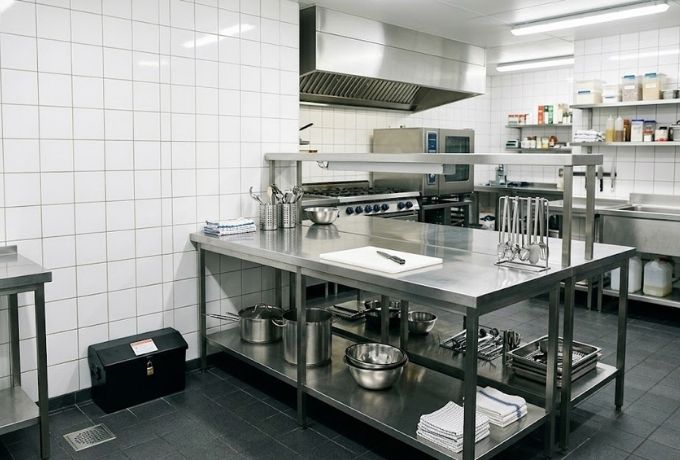
Restaurants in Greensboro's downtown and dining corridors face rodent pressure that other commercial properties don't — shared alley systems, adjacent dumpsters from multiple operators, grease-trap areas that sustain Norway rat colonies, and a Guilford County Environmental Health inspection program that treats any rodent evidence as a critical violation. Our restaurant programs are built around compliance documentation, off-hours service, and the alley-system reality that individual operators can't fully control on their own.
The alley-system problem downtown operators share
The Elm Street corridor from Market Street south to McGee Street, the Davie Street blocks adjacent to LeBauer Park, and the Tate Street dining corridor near UNCG all share the same structural dynamic: early-1900s commercial building stock with sub-grade utility access, shared alley systems where multiple operators' dumpsters sit adjacent to storm-drain infrastructure, and grease-trap areas that provide Norway rats a permanent food source independent of any individual restaurant's waste management.
That shared-source dynamic matters for treatment because it changes where bait stations need to be placed. Stations inside a single restaurant's perimeter address what crosses the threshold but don't reduce the alley-resident colony. Effective restaurant rodent control in Greensboro's downtown corridors requires exterior stations placed in the alley itself — at the dumpster enclosure, adjacent to grease-trap access, and at the storm-drain outfall nearest the building — in addition to interior snap-trap placement along confirmed travel routes inside the restaurant.
Most-affected corridorsWhere we get the most restaurant calls in Greensboro
Elm Street corridor
From the downtown core south toward Southside — highest restaurant density in Greensboro. Shared alley systems behind the Elm Street buildings sustain year-round Norway rat colonies that expand into restaurants during fall and winter.
Davie Street / LeBauer Park
Mixed residential-commercial blocks adjacent to LeBauer Park. Park-edge vegetation provides supplemental harborage for the rat population that uses the Davie Street alley system as a food corridor.
Tate Street / UNCG corridor
UNCG-adjacent dining strip with a high density of casual restaurants and irregular waste management schedules driven by student-population fluctuations. Norway rat pressure peaks during fall semester and drops during breaks.
South Elm / Southside
Transitional blocks between downtown and Southside — older commercial buildings with basement access and mixed-use occupancy. Norway rat pressure from the storm-drain network that runs parallel to South Elm.
Six harborage areas specific to food-service operations
Grease trap area
Exterior grease-trap access points and surrounding soil — Norway rats burrow adjacent to grease traps because they provide a reliable food source. Bait stations here are non-negotiable in downtown accounts.
Dumpster enclosure
The dumpster enclosure and the gap between the enclosure wall and the building — the highest-activity point in most restaurant perimeter inspections. Concrete pad cracks adjacent to the enclosure are a primary burrow site.
Under cooking equipment
Under fryers, ranges, and prep tables — accumulated grease and food debris provides harborage and food for house mice. Interior traps are placed here before opening or after closing to avoid food-safety cross-contamination.
Dry-storage room
Bulk product stored on the floor or low-shelf in dry storage is the primary interior food source for house mice. Traps placed along base-board runs leading from the delivery entrance to storage.
Utility chase and dishwasher cavity
The moisture-rich environment under and behind the dishwasher, and the utility chase where gas and water lines enter the kitchen — Norway rats use both as travel routes into the kitchen from below.
Alley entry points
The back-of-house door and any gaps at the alley-facing foundation — the primary entry vector for Norway rats moving from the alley colony into the restaurant. Door sweeps, threshold gaps, and foundation cracks all require assessment.
How restaurant rodent service works in Greensboro
Pre-open or post-close inspection
Schedule around your operational hours. We walk the kitchen, dry storage, utility areas, exterior perimeter, dumpster enclosure, grease-trap area, and alley entry points. No service during operating hours.
Interior trap placement
Snap traps in confirmed travel routes — under equipment, in utility chases, behind dry-storage shelving. Never in food-contact areas. Placement documented with station numbers for the service log.
Exterior bait-station program
Tamper-resistant stations at the dumpster enclosure, grease-trap area, back-of-house foundation, and storm-drain adjacency. Alley placement where access allows. Station map provided and updated when placement changes.
Service log & documentation
Service log updated after each visit — station-by-station activity notation, interior trap report, corrective actions taken. Health-inspection-ready. Available on 24 hours' notice for unannounced Guilford County Environmental Health visits.
Failed a health inspection? Call (844) 635-0403 — same-day response
We've helped Greensboro restaurants pass re-inspection on an accelerated timeline. Call with your citation specifics and we'll dispatch immediately.
Call (844) 635-0403Restaurant rodent control cost in Greensboro
One-time treatment
Single visit with interior traps, exterior bait stations, health-inspection documentation. For new accounts or spot treatments.
Monthly monitoring
Monthly interior and exterior service with full documentation. Standard for all food-service operators in downtown Greensboro corridors.
Failed-inspection response
Same-day emergency treatment plus documentation package for re-inspection. Dispatch fee included. Call (844) 635-0403 immediately.
All restaurant services include health-inspection-ready service logs and product documentation. Off-hours service at no additional charge for monthly accounts. Free initial walkthrough for new monthly accounts.
Restaurant rodent control — FAQ
What causes the Norway rat problem in downtown Greensboro restaurants?
The Elm Street and Davie Street restaurant corridor creates a concentrated Norway rat habitat through three intersecting factors: high organic waste volume from dense restaurant clustering, a shared alley system where dumpsters from multiple operators sit adjacent to each other and to storm-drain infrastructure, and early-1900s building stock with sub-grade utility access that gives Norway rats structural shelter adjacent to food sources. No single restaurant operator fully controls their exposure because the colony territory extends across the alley system.
Will rodent treatment require us to close the restaurant?
No. We schedule all restaurant treatment visits before opening or after closing. Interior snap-trap placement is in non-food-contact areas — inside equipment kick plates, under dishwasher cavities, in utility chase access areas, and along wall-base travel routes. Exterior bait stations are placed in tamper-resistant housings outside the building envelope. The only operational requirement is keeping staff away from treatment areas until placement is complete.
What does Guilford County Environmental Health look for during rodent inspections?
Inspectors look for evidence of rodent activity (droppings, gnaw marks, grease trails, live or dead rodents), the presence of an active pest control service with current records, structural conditions that allow rodent entry, and sanitation conditions that create harborage. Having a current service log with bait-station inspection records and product documentation on-site at the time of inspection is the minimum standard — we provide that with every monthly service visit.
How fast can you respond to a restaurant that just failed a rodent inspection?
Same-day. A failed health inspection is an emergency and we treat it as one. Call (844) 635-0403, tell us you've had a failed inspection, give us the address and the citation specifics, and we'll dispatch a technician and produce documentation for re-inspection as fast as possible.
How much does restaurant rodent control cost in Greensboro?
A one-time restaurant treatment with health-inspection documentation runs $350–$650. Monthly monitoring programs run $150–$300/month. Emergency failed-inspection response carries a same-day dispatch fee in addition to treatment cost. Free initial walkthrough for new monthly accounts.