Storage unit rodent control in Greensboro, NC
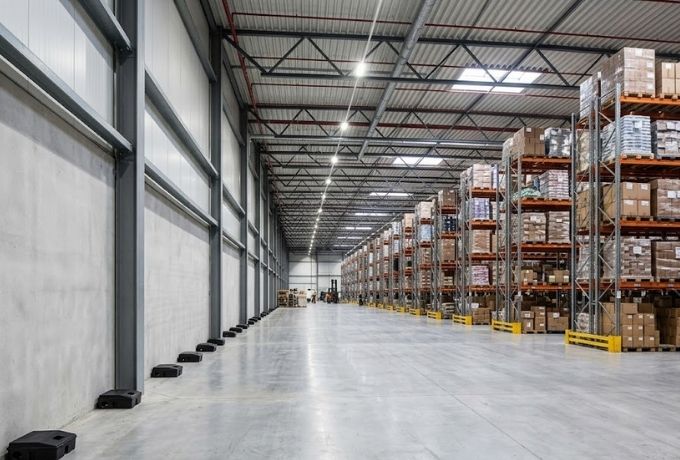
Self-storage facilities along Greensboro's Battleground Avenue and I-40/I-85 corridors face Norway rat pressure from three directions simultaneously — storm-drain infrastructure adjacent to most major storage campuses, landscaping strips along facility perimeters that provide harborage, and the stored contents themselves: clothing, furniture, cardboard, and organic materials that sustain rodent populations through long periods of low facility activity. Rodent control for storage operators is a perimeter-first program, not a unit-by-unit intervention.
The four storage facility entry and harborage vectors
Roll-up door gaps
The bottom seal of most roll-up storage unit doors deteriorates over time — the rubber bulb seal compresses, cracks, and pulls away from the door edge. A 1-inch gap at a roll-up door threshold is sufficient for Norway rats. Perimeter bait-station programs reduce the population that reaches unit doors; door seal inspections prevent the final entry.
Weep holes and concrete-slab gaps
Concrete-block storage buildings typically have weep holes at the base course for moisture drainage. Standard weep holes are 3/4 inch or larger — adequate Norway rat access. These are the primary structural entry points we address during storage facility inspections.
Landscaping strip harborage
The vegetation strip between the facility perimeter road and the fence line provides Norway rat harborage adjacent to the building. Dense ground cover, rock mulch that provides burrow substrate, and irrigation systems that maintain soil moisture all sustain perimeter populations.
Dumpster and organic waste areas
Facility dumpsters and any organic waste from tenant move-ins and move-outs create food sources adjacent to the building. Norway rats establish within 100 feet of a consistent food source — a dumpster without adequate enclosure is a direct contributor to facility rodent pressure.
Climate-controlled unit HVAC penetrations
Climate-controlled storage buildings have HVAC system penetrations through the building envelope — ductwork, condensate lines, refrigerant lines. These penetrations are standard Norway rat and house mouse entry points if the penetration gaps aren't sealed with rodent-grade materials.
Adjacent storm-drain infrastructure
Storage facilities along major Greensboro corridors sit adjacent to storm-drain infrastructure that supports large Norway rat colonies. After heavy rain events, drain populations displace toward surface structures — storage facilities with perimeter bait-station gaps near outfalls see periodic Norway rat influxes following storm events.
How we protect a Greensboro self-storage facility
Perimeter walkthrough
Walk the full facility perimeter — roll-up door thresholds, weep holes, landscaping strips, dumpster areas, storm-drain adjacency, and HVAC penetrations. Map pressure points and establish station placement recommendation.
Bait-station installation
Install tamper-resistant exterior stations at the perimeter rate appropriate for facility size — typically every 40–60 linear feet plus additional stations at dumpster areas, landscaping strips, and storm-drain outfalls. Numbered station map provided.
Interior common-area traps
Snap traps in interior hallways and near unit access doors in climate-controlled buildings. Not inside tenant units without tenant coordination. Documented with trap numbers for service log.
Monthly monitoring & documentation
Monthly visit — inspect and replenish all stations, document consumption, note any interior activity or new pressure points. Service log provided after each visit. Quarterly trend report flagging elevated stations.
Storage facility in Greensboro with a rodent problem? Call (844) 635-0403
Free perimeter walkthrough and station placement recommendation. Tenant damage claims, active infestations, or first-time program setup — we handle all three.
Call (844) 635-0403How our service records support your position in damage disputes
Self-storage leases universally include liability disclaimers for rodent damage to stored goods — but a disclaimer alone doesn't insulate a facility from tenant damage claims when no documented pest control program was in place. Arbitration panels and small claims courts take a different view of a facility that has monthly service records versus one that has none.
Every monthly service visit produces a dated, signed service log documenting stations inspected, bait consumption by station number, interior trap report, and any corrective actions taken. This log is the documentation that demonstrates ongoing pest management effort — the standard courts use when evaluating facility negligence in storage rodent cases.
We can provide current service documentation within 24 hours for tenant dispute proceedings. For facilities with active damage claims, we can produce a historical service record summary covering any period the facility has been under our service.
Storage facility rodent control cost in Greensboro
Initial setup
Perimeter walkthrough, station installation, interior trap placement, station map. Priced by facility size and station count.
Monthly monitoring
Monthly station service, service log, quarterly trend report. Rate by station count and facility size.
Active infestation response
Accelerated treatment for facilities with confirmed active infestation — multi-visit treatment plus perimeter setup.
All storage facility programs include service documentation suitable for tenant dispute records. Free perimeter walkthrough — quoted before any work starts.
Storage unit rodent control — FAQ
Why do self-storage facilities have persistent Norway rat problems?
Self-storage facilities create near-ideal Norway rat habitat: undisturbed interior space provides protected harborage, exterior landscaping and dumpster areas provide ground-level harborage, and stored clothing, furniture, cardboard, and any food items provide nesting material and a potential food source. Once Norway rats establish in a facility's perimeter, they find unit entry through roll-up door gaps, weep holes, and concrete-slab cracks.
How do you control rodents without accessing tenant units?
The majority of storage-facility rodent control happens at the perimeter — where rodents live and enter. Exterior tamper-resistant bait stations at the facility perimeter address the source population. Interior common-area snap traps in hallways and near unit access doors address interior travel. Unit-interior access requires tenant coordination but is usually not necessary unless a tenant reports active activity in their specific unit.
Can you help reduce tenant damage claims from rodent activity?
A documented, ongoing rodent control program with service logs significantly strengthens a facility's position when a tenant makes a damage claim. A service log showing regular perimeter inspections and treatment visits demonstrates that the facility was not negligent. We can provide service documentation formatted for use in tenant-dispute records.
How many bait stations does a Greensboro storage facility need?
A general guideline is one exterior station per 40–60 linear feet of perimeter, plus additional stations at dumpster areas, landscaping strips, and storm-drain adjacency. A 200-unit facility might require 25–40 exterior stations plus interior common-area snap traps. We provide a site-specific recommendation after a perimeter walkthrough.
How much does storage facility rodent control cost in Greensboro?
Initial setup typically runs $600–$1,800 depending on facility size and station count. Monthly monitoring programs run $200–$500/month. Free perimeter walkthrough — quoted before work starts.